
Is cold calling dead?
Cold calling is not dead, but dialling a long list with a generic pitch mostly is. Fewer, better calls to named decision-makers, with a clear reason, still work.
Tools our VAs use for this


No, cold calling is not dead, but the version many people picture, dialling a long list with a generic pitch, mostly is. What works now is fewer, better calls: a researched list of named decision-makers, direct numbers, a clear reason for each call, and follow-up by email and LinkedIn. It is still legal in the UK for most B2B calls, provided you follow the rules. If you would rather not do the dialling yourself, lead generation support is the managed alternative.
If you are deciding whether to run it yourself or hand it to a managed caller, our outsourced cold calling page answers is cold calling dead in practice, with a dedicated caller working your list every day.
On this page
What "dead" means for cold calling
When people say cold calling is dead, they usually mean one of three things: that nobody picks up, that buyers do not want to be called, or that it costs more time than it returns. Each is partly true for some businesses, and each is fixable for others. The useful question is whether it can work for you, and how. If the term itself is new, what is cold calling gives the definition and examples.
Why people say cold calling is dead
Lower connect rates
Many people no longer answer calls from numbers they do not recognise, and switchboards and voicemail filter much of what gets through. Calling a general office number for a named person is harder than it used to be.
Changing buyer preferences
Buyers can research suppliers online, read reviews and compare prices before they speak to anyone. Many prefer to make first contact on their own terms, by email, LinkedIn or a website form. A call that arrives with nothing to offer feels like an interruption.
Reputation damage from poor calling
Consumer nuisance calls, scripts read word for word and callers who will not take no for an answer have made the phone feel intrusive. Much of the "cold calling is dead" view comes from being on the receiving end of those calls.
What the data says
The named studies, all published by vendors, show a large gap between average and best callers: the channel works, but average execution often does not. Almost all published evidence on cold calling comes from vendors that sell calling data or sales software. That does not make it wrong, but none of it is independent, and the samples and definitions differ. Here is what the named studies report.
Cold calling numbers calculator
Enter figures from your own call log to see the conversations and meetings they add up to each week and month. The fields start empty because there is no official cold calling success rate to fill them with.
Every call made in a day, answered or not.
Days you make calls, from 1 to 7.
The share of dials where the right person picks up.
The share of connects that become a real conversation rather than an immediate hang-up.
The share of conversations that end in a booked meeting.
What your figures add up to
| Outcome | A week | A month |
|---|---|---|
| Conversations | 0 | 0 |
| Meetings | 0 | 0 |
Enter your figures above.
dials per day × calling days = dials a week
dials × connect rate = connects
connects × conversation rate = conversations
conversations × meeting rate = meetings
A month is a week's figures × 52 ÷ 12, about 4.33 weeks.
These are projections of your own figures, not benchmarks. Track dials, conversations and meetings for a few weeks, and measure improvement against that baseline.
Sources of the evidence
| Publisher | Date | Based on | Independent? |
|---|---|---|---|
| Cognism | Updated 2026-04-16 | Its own 2026 State of Cold Calling Report | No, vendor-published |
| Chili Piper | 2023-08-14 | Its own internal test, no sample size given | No, vendor-published |
| Gong Labs | Published 2024-07-18, last modified 2026-05-27 | Its own analysis of 300 million or more cold calls | No, vendor-published |
Connect and meeting rates
Cognism's 2026 update reports a success rate of 11.3% for some teams against an average of about 2.3%, without naming a study for the average. Gong Labs, analysing more than 300 million cold calls (published 2024-07-18, last modified 2026-05-27), reports that the average rep connects on 5.4% of calls while the top quartile connect on 13.3%, and that the average set rate is 4.6% against 16.7% for the top quartile.
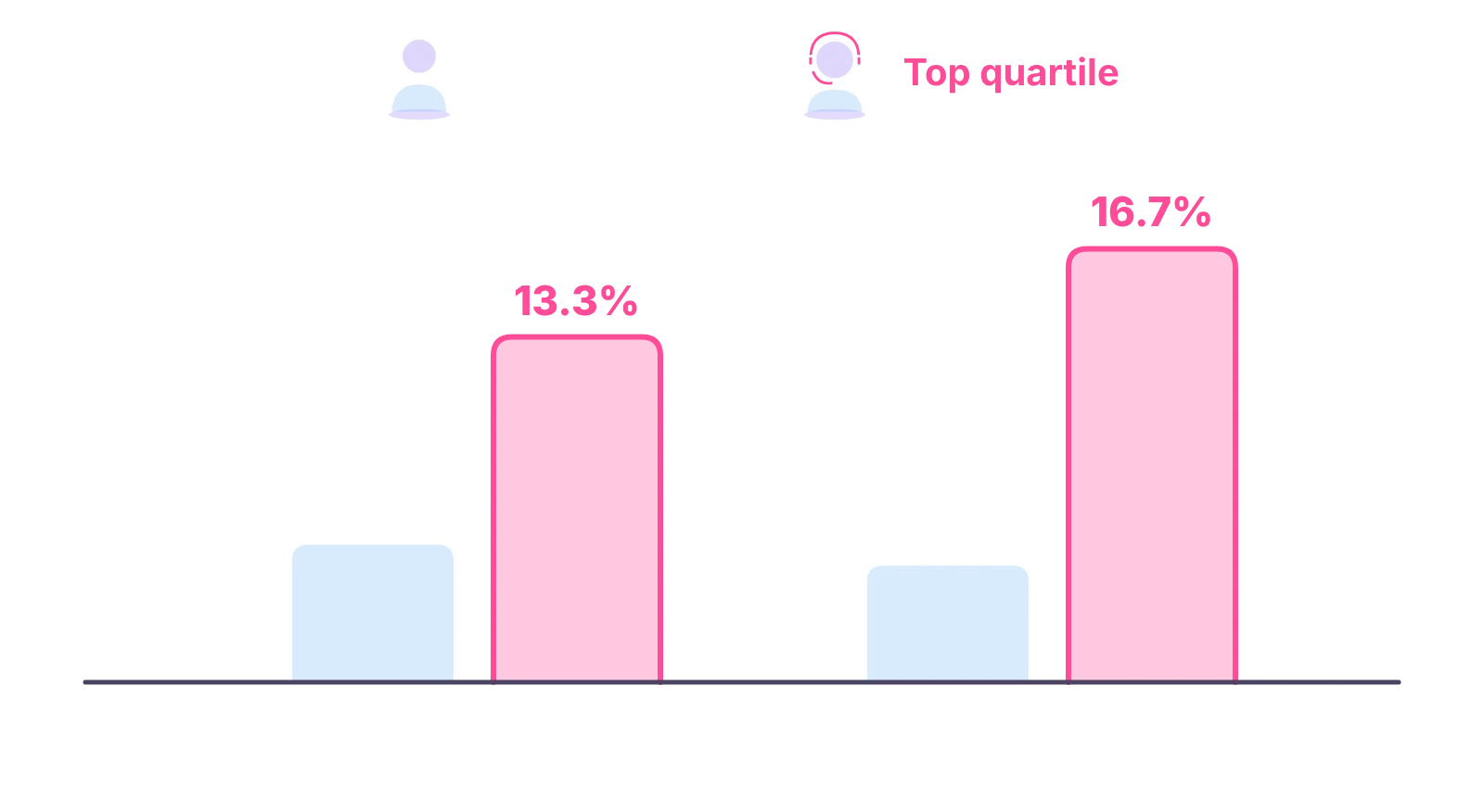
The pattern across all three is the same: the gap between average and best callers is large. That gap is the real answer to "is it dead?" The channel works; average execution of it often does not.
Dials to reach a conversation
Cognism reports 1.55 dials to reach a conversation in its 2026 report, against 2.9 in 2025, and says direct-dial mobile numbers get 4 to 10 times higher pickup, though it gives no sample for that figure. Both depend on calling direct numbers from good data, which is Cognism's product. The lesson that transfers is simpler: the quality of the number you dial matters more than the number of dials.
Limits of call volume
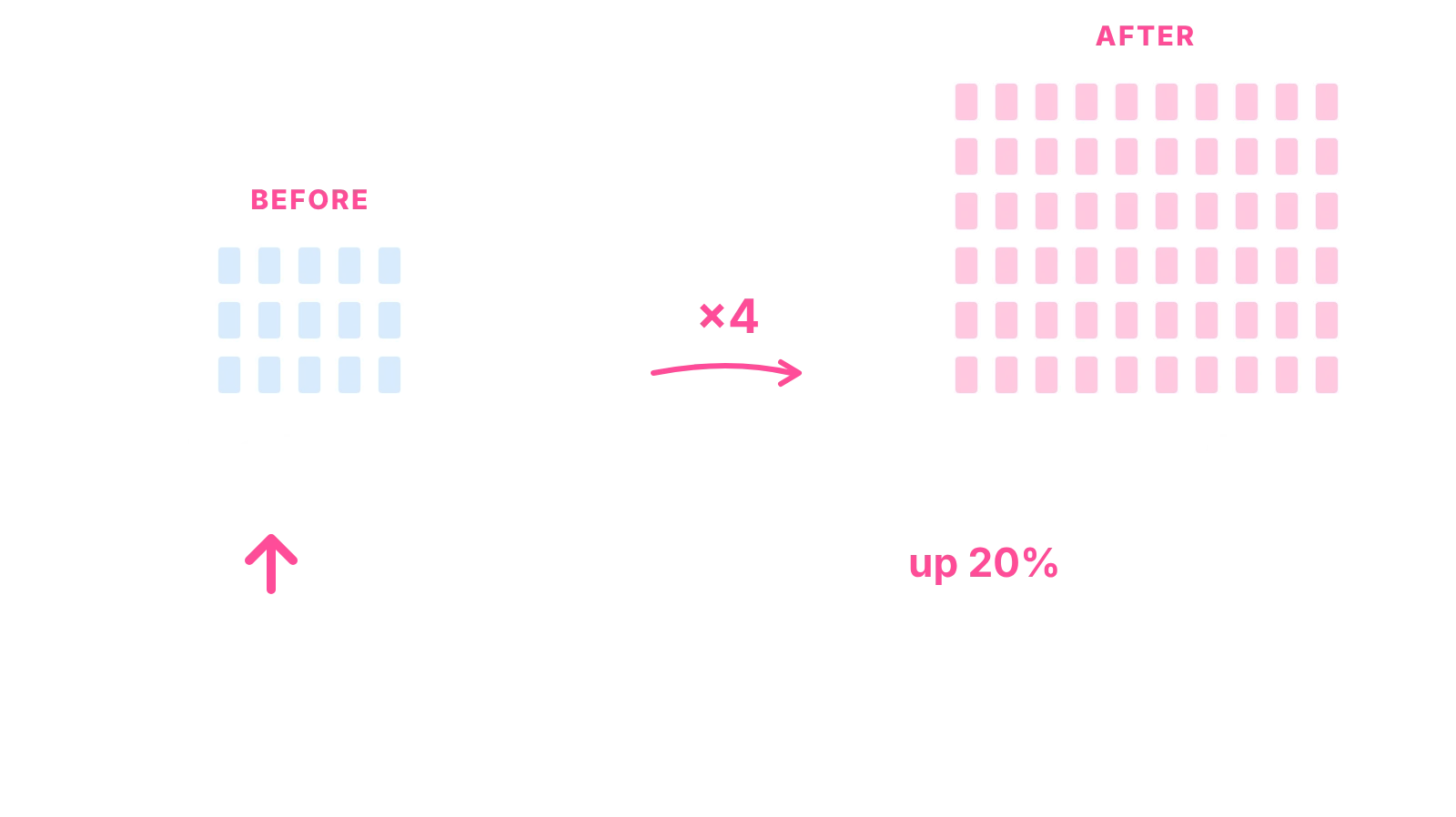
The most useful study is the sceptical one. Chili Piper tested raising call volume from 15 to 60 calls per rep per day. Meetings per rep rose by 20%, but the connect rate fell from 8% to about 5% and meetings per connection fell from 5% to 3%. Quadrupling effort produced a modest gain, with quality falling at every step. It was an internal test with no sample size given, but the direction matches what most sales managers see: more of the same calling does not scale well.
For how to define and measure these rates on your own calls, see cold calling success rates.
Is cold calling still legal in the UK?
Yes, cold calling is still legal in the UK, provided you follow the rules on marketing calls. The ICO explains that most live marketing calls do not need prior consent, provided you screen numbers against the TPS and CTPS, say who is calling and display your number; calls about claims management need consent (ICO guidance on live calls). In B2B, sole traders and some partnerships count as individuals, so you screen against both registers. The full rules for calling businesses are in our guide is cold calling legal in the UK.
What modern cold calling looks like
Targeting and timing
Modern cold calling starts with a short, specific list: named people, in the right role, at businesses that fit. Each call has a reason tied to the prospect, from their website, their sector or a recent change. Calls happen in protected blocks at the times your prospects pick up, which you learn by recording your own results. Our cold calling tips set out the habits, scripts and objection replies.
Direct numbers
A switchboard number for a named manager is a slow route. Where you can lawfully source a direct line, use it, and screen it like every other number. Keep your data current: an old role or a wrong number costs a dial every time.
Multi-channel follow-up
Calls now sit inside a short sequence rather than standing alone. A typical pattern: a LinkedIn connection request, a short email, a call, a voicemail if there is no answer, and a follow-up email that refers to the call. Each touch makes the next more familiar. Our LinkedIn lead generation strategy covers that side.
Alternatives and complements to cold calling
Email, LinkedIn and referrals
If calling does not suit your market, or you want fewer cold calls, the main alternatives are cold email, LinkedIn outreach and referrals, with inbound methods such as search and content building over time. Most B2B firms get the best results by mixing them. The full comparison is in our guide to inbound vs outbound lead generation.
Cold calling for small UK firms
For a small UK firm, cold calling usually succeeds or fails on whether anyone has the time to make the calls properly. None of the studies above is about small businesses. They describe sales teams with dedicated callers, tools and managers. For an owner-run firm the question is usually different: not whether calling works, but whether anyone has the time to do it properly. A few calls fitted between other jobs rarely produce results, and that experience is where many owners decide cold calling is dead. The calls were never really made.

Using an outsourced caller instead of hiring
Who it suits
Outsourcing suits a business that sells to other businesses, has a clear target market and a deal worth a meeting, and cannot protect a daily calling block in-house. It suits less well a business whose offer is still unclear, because a caller needs something specific to say.
What a managed team does
At Ant Assist your lead generation VA is one dedicated person, never shared, working full time from our own managed office in Cairo on UK business hours, 9am to 5pm Monday to Friday; recruited, managed and supervised there, not freelancers, not AI. They screen the list, make the calls, follow up by email and LinkedIn, book meetings in your diary and log every call in your CRM. You can start at 20 hours a week or take a full 40-hour VA. The rate is £5 per hour for the first 6 months on the Entry tier (3 months on Mid, 1 month on Expert); after the promotion, lead generation Entry is £5.50 per hour full time (£880 a month for 160 hours) or £6.50 per hour part time (£520 a month for 80 hours). Compare that with an in-house hire in the calculator.


Questions about cold calling today
Didn't find your answer? Browse more common questions in the Help Center.
Fewer, better calls, every day.
A dedicated lead generation VA, from £5 per hour. Book a call.